Marketing analyst and CXL-certified optimizer with 6+ years of experience in web analytics, conversion optimization, and privacy-first data strategy. Former analytics lead for e-commerce and SaaS companies across North America, now focused on helping businesses make better decisions with less data. Specializes in Plausible, Umami, Matomo, and cookieless analytics. Based in Vancouver, BC.
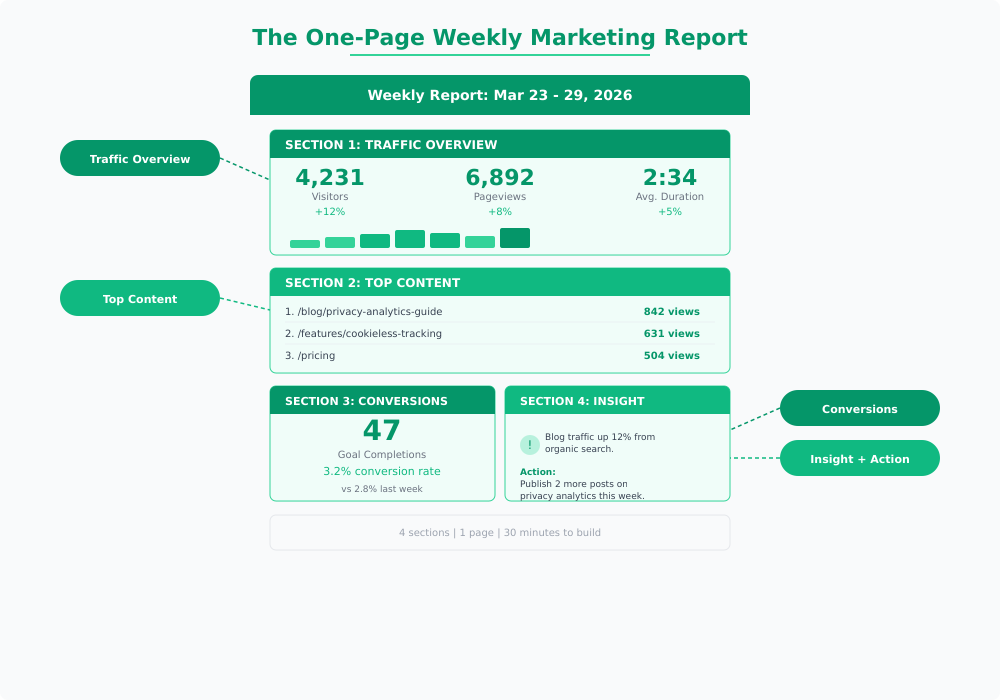
Nobody reads a 20-page marketing report. The best reports I've built fit on a single page and take 30 minutes to put together. Here's the template. After six years of…
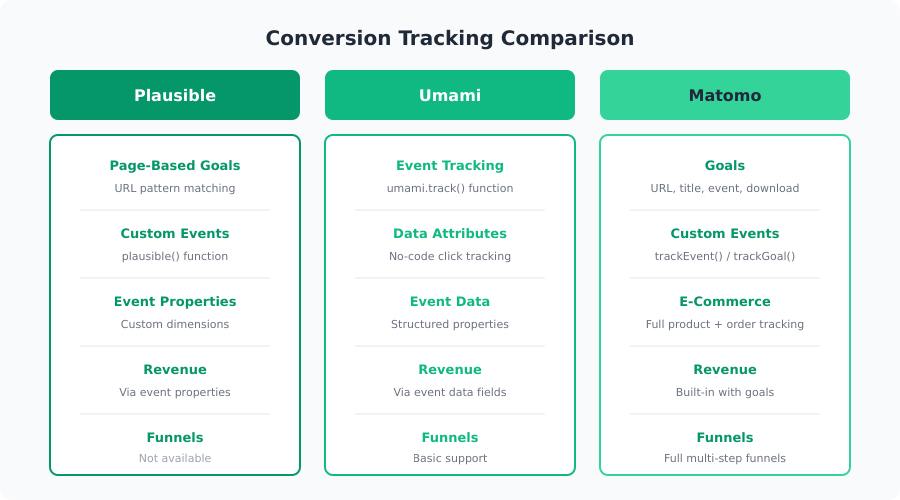
You don't need Google Analytics to track conversions. In fact, most privacy-first tools make it simpler. Here's how to set up goal tracking in Plausible, Umami, and Matomo — with…
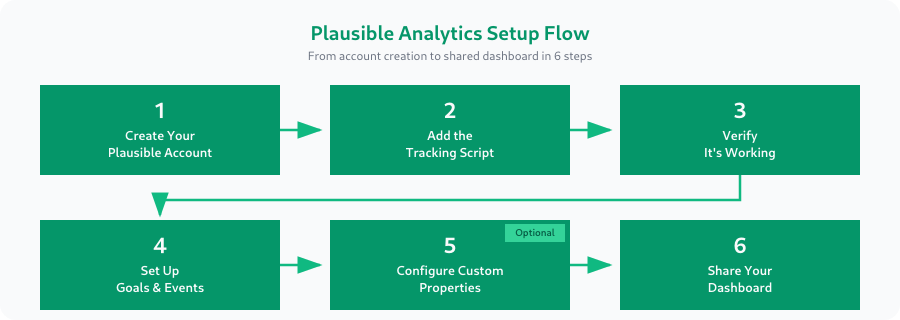
Plausible takes about ten minutes to set up. No tag managers, no cookie banners, no consent prompts. Here's every step. I've set up Plausible on dozens of sites over the…
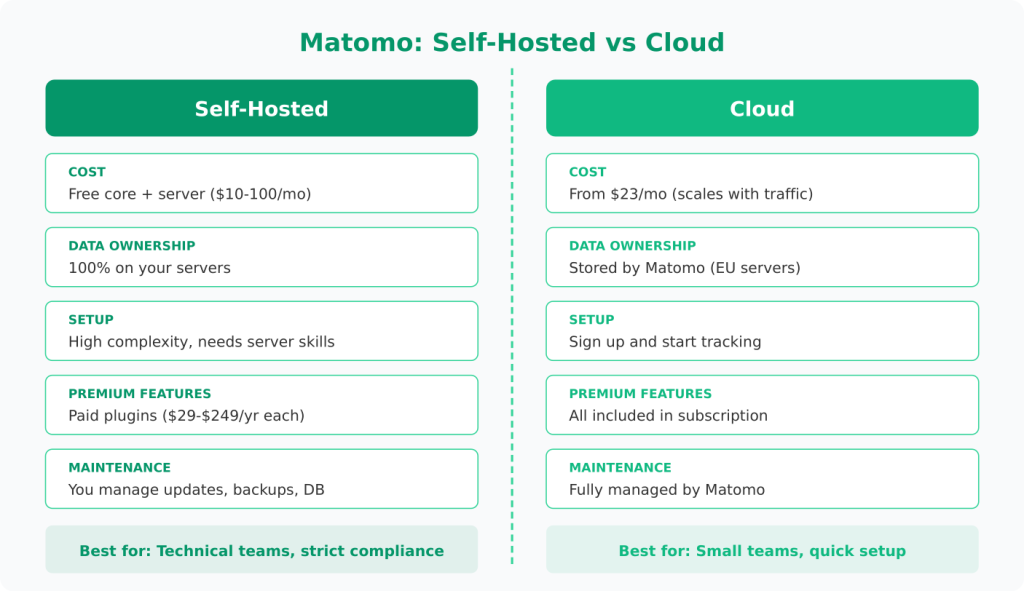
Matomo is the only privacy-first analytics platform that genuinely tries to match Google Analytics feature-for-feature. Whether that's a strength or a weakness depends on what you need. I've been running…
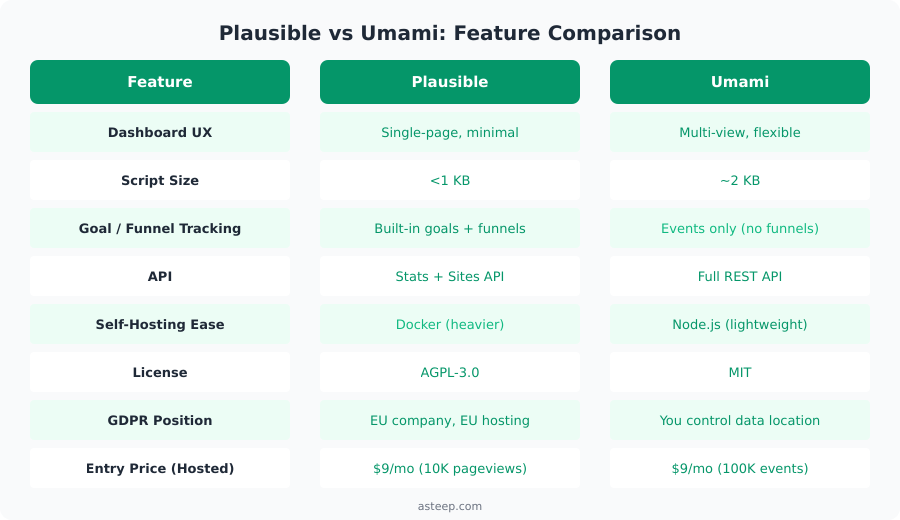
Plausible and Umami are the two tools I recommend most when someone asks me to replace Google Analytics. They're both excellent — but they're built for different people. I've deployed…
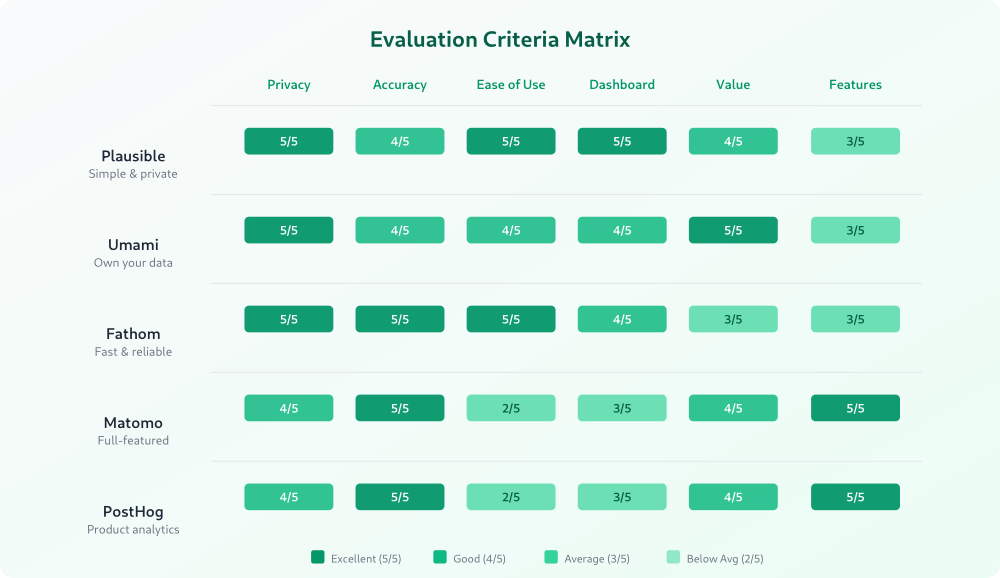
Every privacy-first analytics tool claims to replace Google Analytics. Most can — but they do it differently. After testing all of these on real sites, here's what I'd actually recommend…
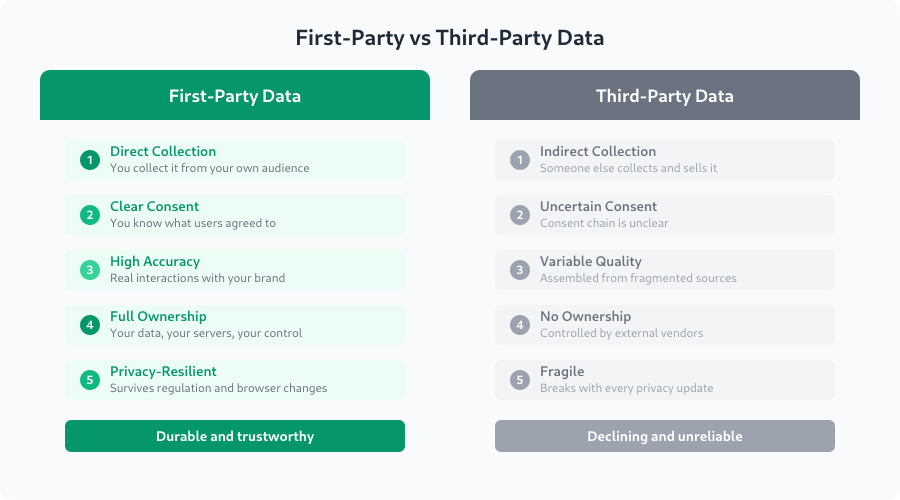
Third-party cookies are dead. Third-party data is next. If your analytics strategy depends on either, it's time to rethink. I've watched companies scramble every time a browser update or privacy…
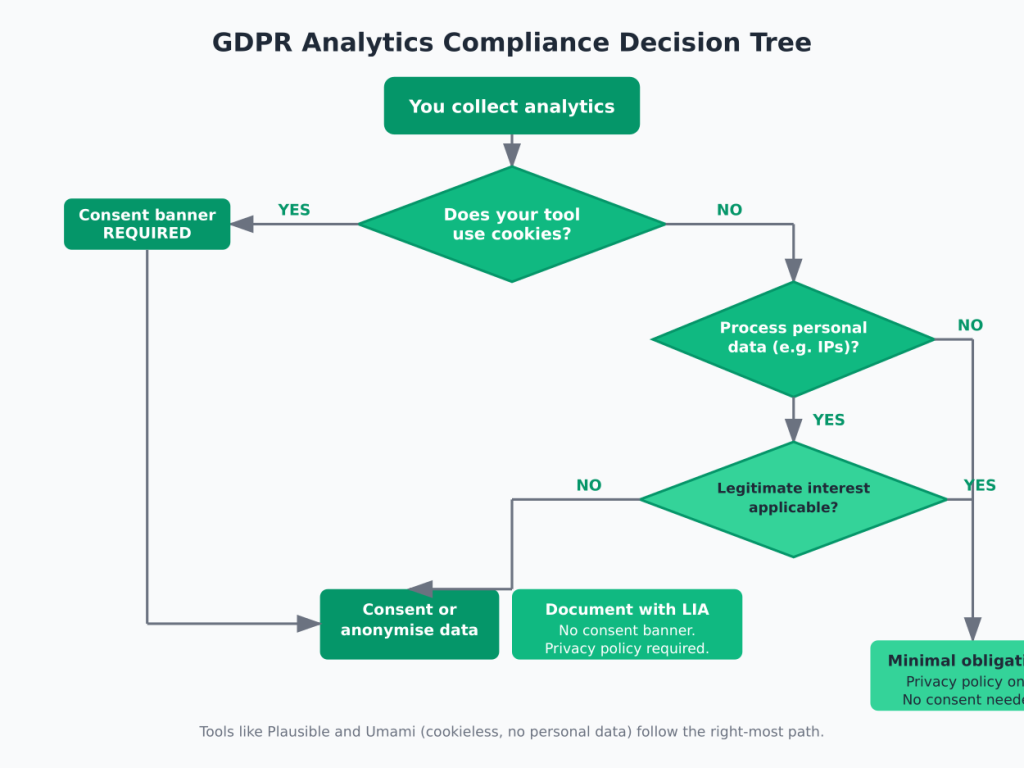
Most GDPR guides are written by lawyers. This one's written by someone who's actually had to implement compliant analytics across multiple sites — and dealt with the panic when a…
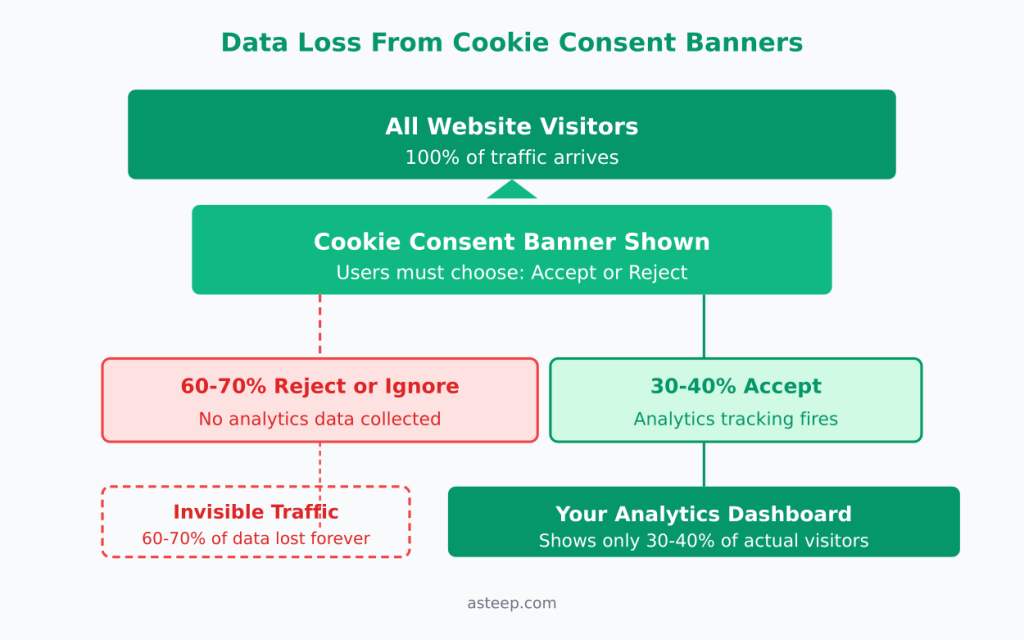
Most websites now show a cookie consent banner. That's not news. What is news: those banners are silently destroying your analytics data, and most teams don't even realize it. If…
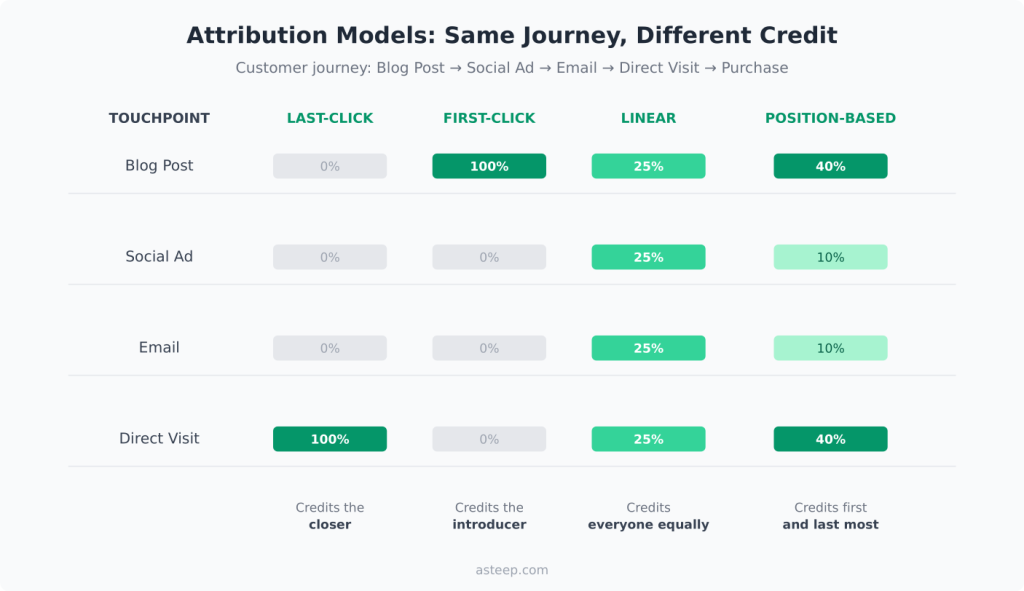
You're running ads, writing blog posts, sending emails, and posting on social media. A customer finally buys. Which channel gets the credit? That question is the heart of marketing attribution…